

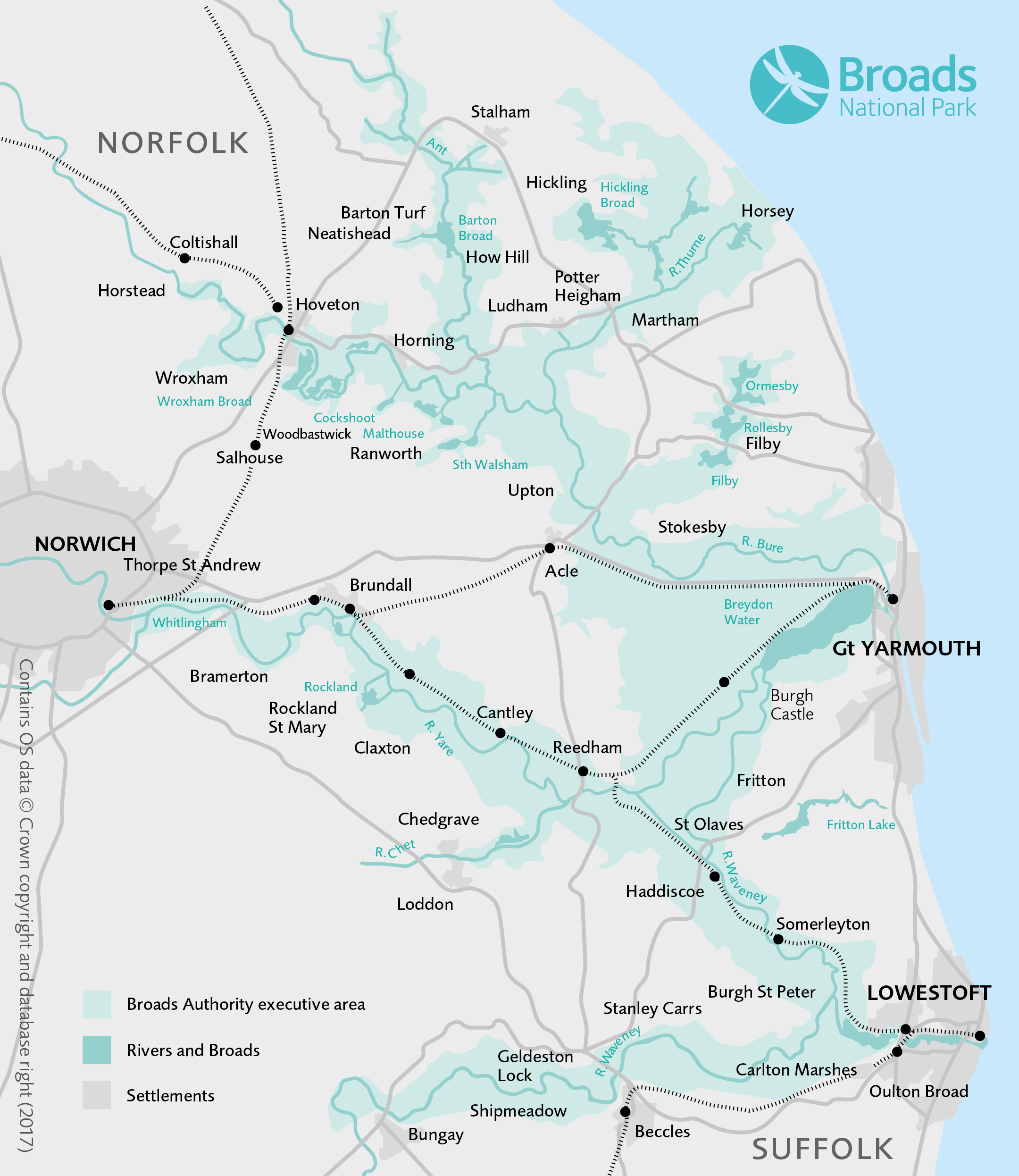
Our vision for the catchment
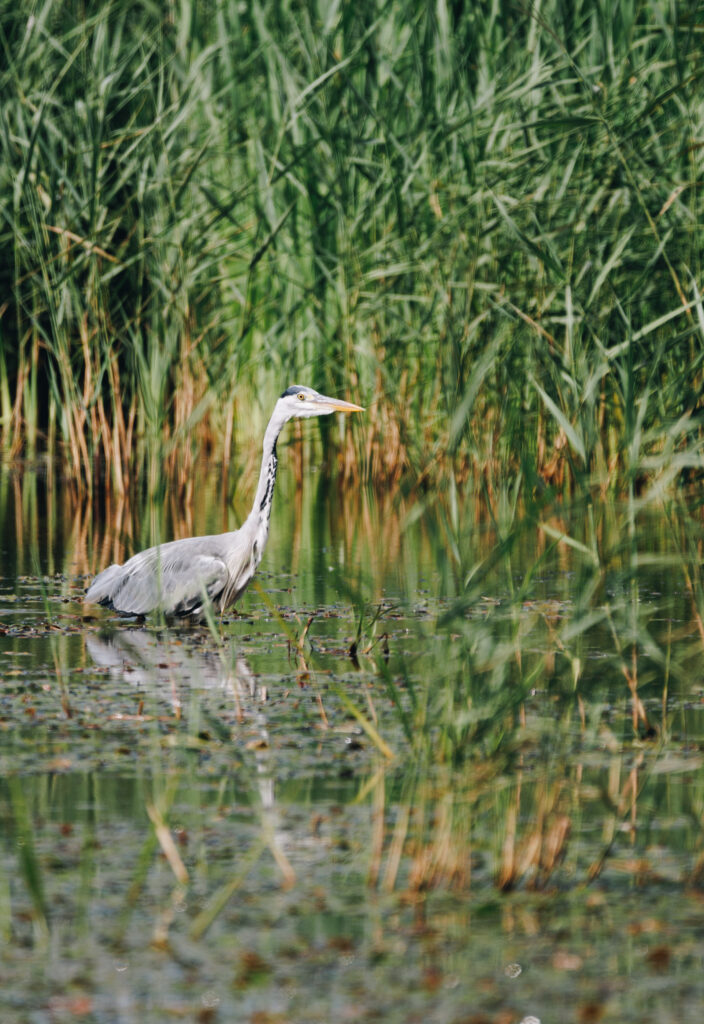
Better resiliency
A catchment that is more resilient to the impacts of the climate crisis, including flooding, drought, salinity incursions and extremes of temperature and precipitation.
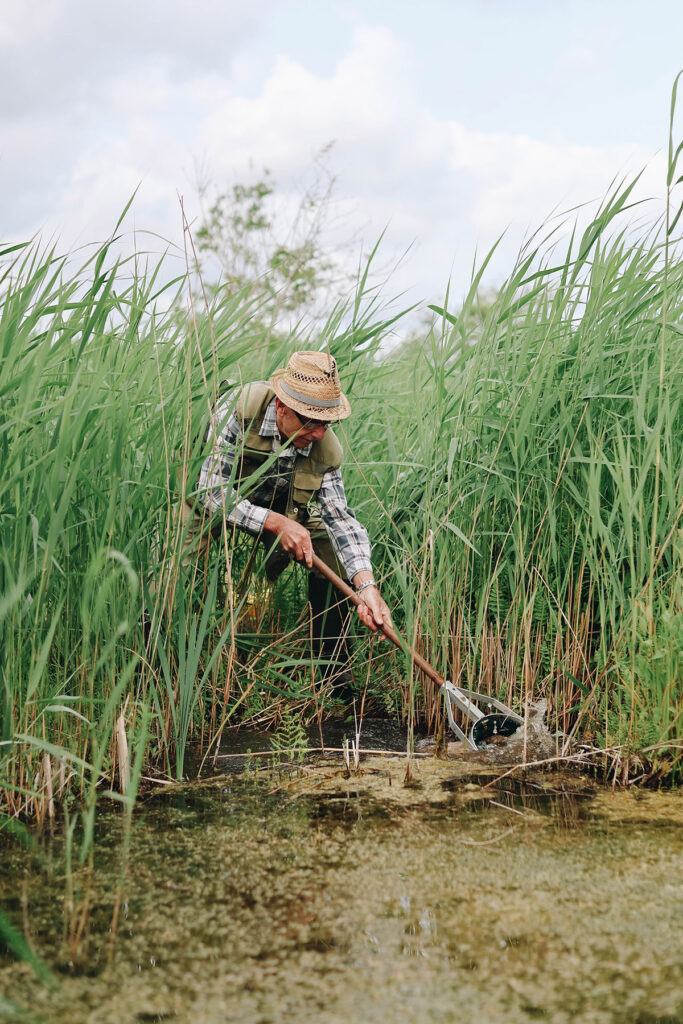
Improved water quality
A catchment where all waterbodies achieve ‘Good’ status under the Water Framework Directive and are both rich in habitats and wildlife species.
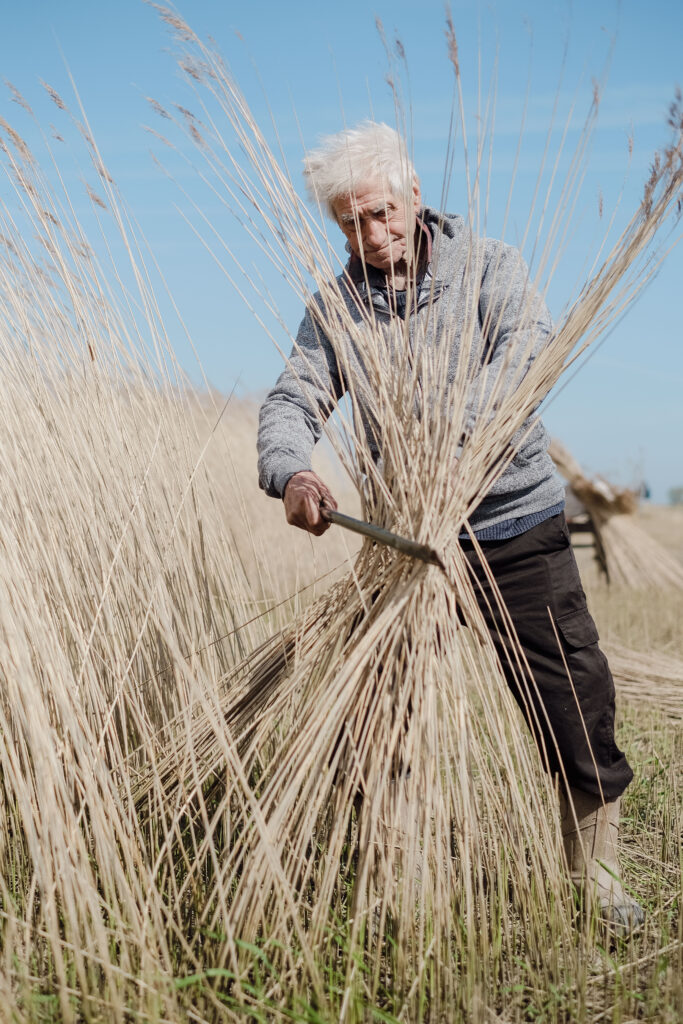
Celebrated in the community
A catchment where communities celebrate waterbodies in their local environment and their knowledge is used as part of decision-making processes.
Catchment Projects
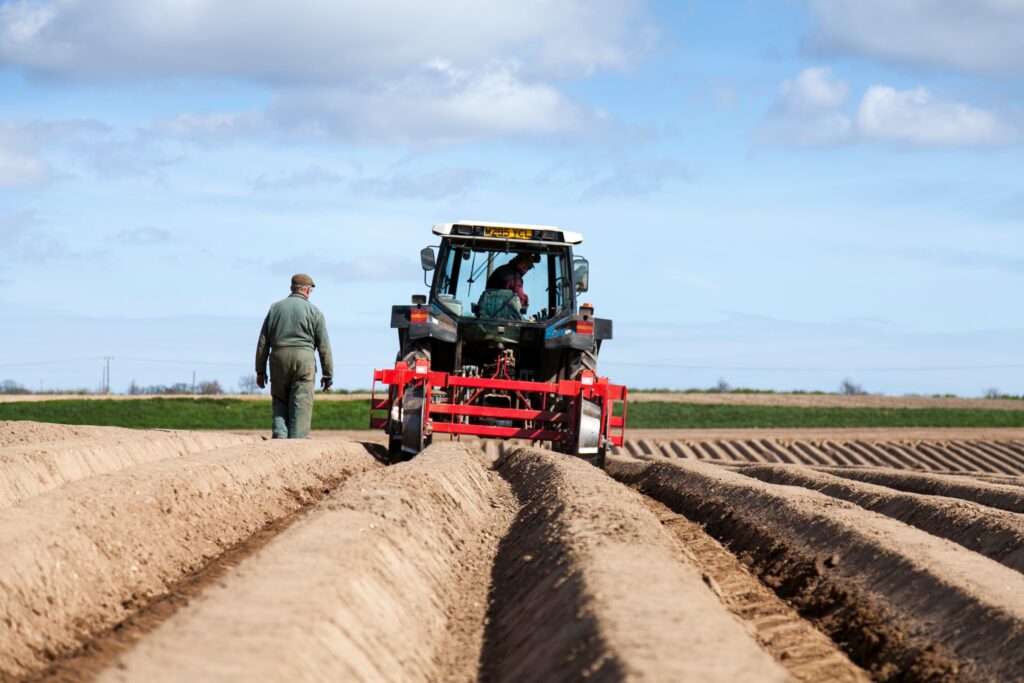
From introducing water-sensitive farming initiatives to building natural flood management structures, there are a number of projects in the Broads catchment working towards our goals of creating a healthier wetland environment.

“We all have an impact on our catchment and by working together we can take the necessary steps to improve the environment and provide benefits to society and the local economy.”
Sarah Cowley, Chief Executive of the Broads Authority
Catchment Plan
Download and read copies of the current Broads Catchment Plan and Action Plan.
- A high-level overview of the Broads catchment
- A strategic view outlining progress so far and future developments to improve the catchment
- Exploration of problems faced by the catchment and solutions
Partners and Projects
Find out about the current partnership working initiatives taking place in the Broads Catchment.
- Water-related projects with the Environment Agency and Rivers Trusts
- Water company projects with Anglian Water and Essex & Suffolk Water
- Habitats and fisheries work
Catchment Maps
Catchment Maps can help engage stakeholders including local communities, farmers and land managers in getting involved with actions to improve the water environment.
- Ecosystem Services Maps
- Soil Maps
- Access to data on request